 Published by Sue Johns-Chapman
Published Date 19.10.2026
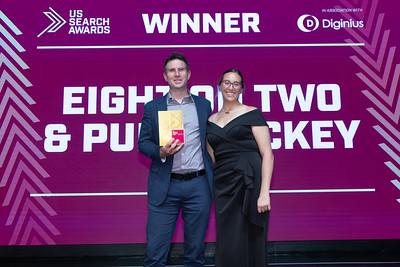
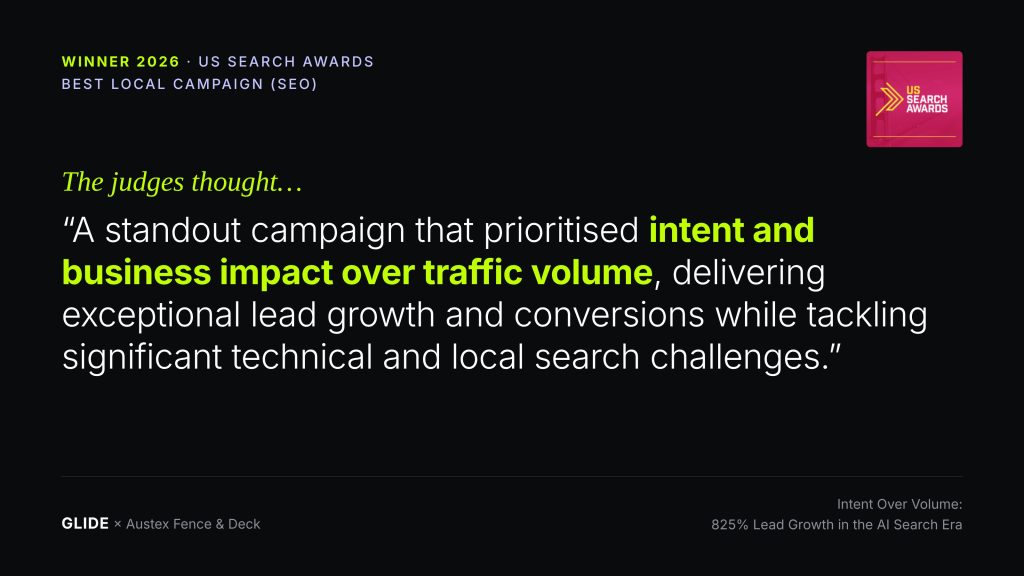
Last week, GLIDE won Best Local Campaign (SEO) at the 2026 US Search Awards for our work with Austex Fence & Deck, a family-owned fence and deck company in Central Texas. There were eight finalists, it was a crowded category compared to the others.
We’re also aware that our winning entry is a little strange. The headline chart goes the wrong way. And when we look at who did the work, a lot of the people behind this SEO award don’t have SEO in their job title.
Both of those things are the point. Here’s why.
The chart that goes the wrong way
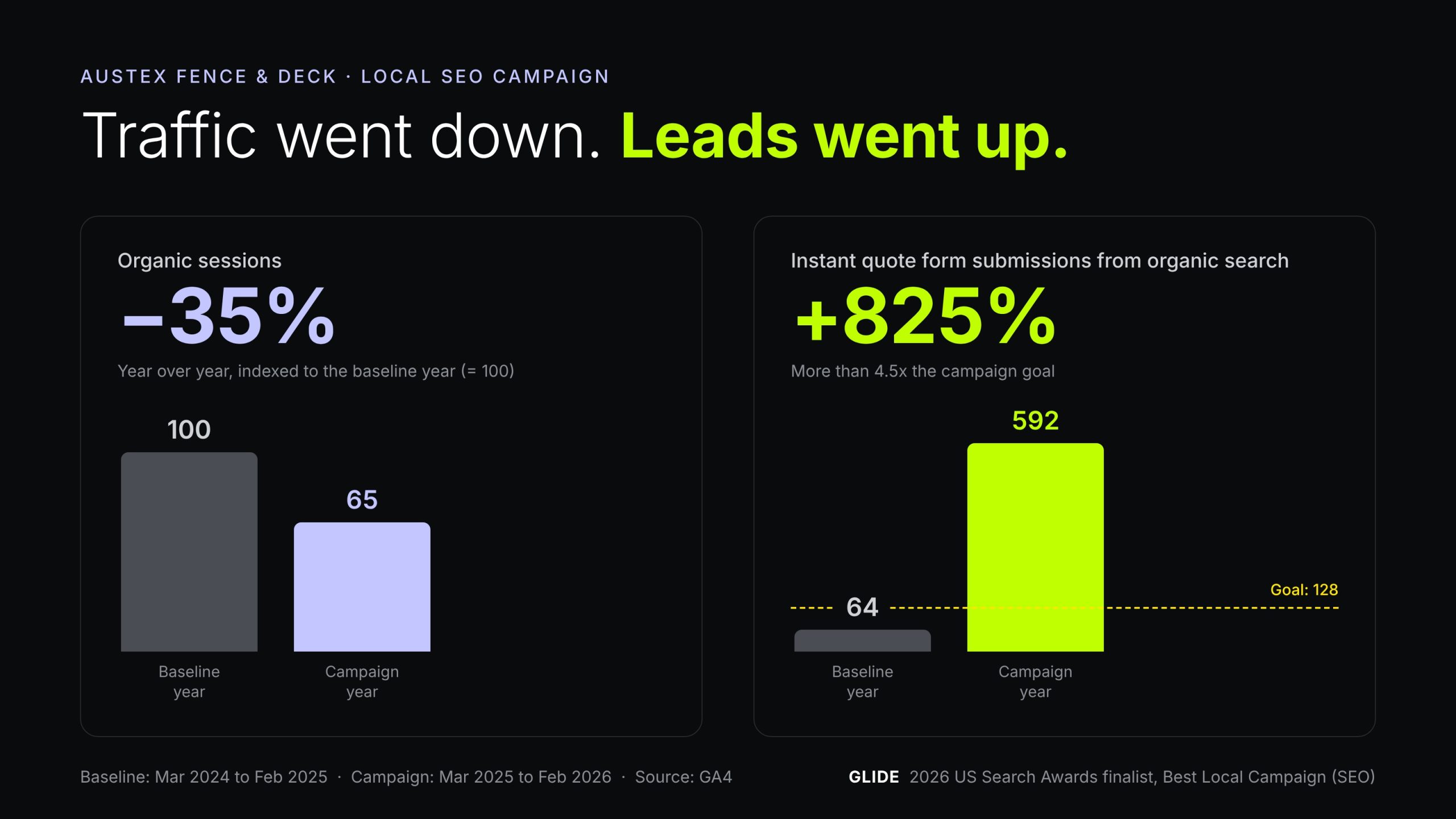
Most award-winning SEO campaigns tell the same story: traffic went up, and leads followed. Ours tells the opposite one. Over twelve months, Austex’s organic sessions fell about 35% year over year. Over the same period, instant quote form submissions from organic search went from 64 to 592, an 825% increase, against a goal of 128.
A falling traffic line isn’t what most people lead with in an awards entry. It’s the kind of chart that, in a monthly report, usually triggers a panicked pivot toward more content, more links, more volume. We didn’t pivot during the campaign, and we didn’t hide the chart in the entry either.
Here’s what the chart actually showed. Google AI Overviews were answering the informational questions that used to send people to Austex’s blog. Those visitors were never going to call. The people still clicking through were homeowners who needed a fence after a move, an HOA notice, or a property line problem, and who wanted a price before picking up the phone. Fewer visitors, much closer to buying. Our job was to get them to convert, faster.
- Instant quote form submissions from organic search: 64 to 592 (+825% YoY), more than 4.5x the goal
- Sessions on the Fence Cost Estimator: 298 to 1,939
- ChatGPT referral sessions: 30 to 408
- Average search position: 24.2 to 14.4
- Overall organic sessions: down about 35% YoY
We think the judges saw what we saw: in search right now, traffic is not the scoreboard. Leads are.
Who actually won this award
This was a six-person effort across a full year: an SEO strategist, an SEO specialist, a continuous improvement project manager, a creative lead, a designer, and a development lead. If you only counted the work that fits a traditional SEO checklist, you’d miss most of what moved the number.
| Discipline | What it contributed |
| SEO strategy | Diagnosed the traffic drop as a mix shift, not a failure, set the quote-form goal, and reframed monthly reporting around leads instead of sessions. |
| SEO execution | Internal links to the estimator, a 55+ listing citation audit (31 corrected, 22 removed, 24 cleaned up), FAQ schema, and fixing the directories ChatGPT cites for “fence builders in Austin.” |
| UX and design | Used Microsoft Clarity session recordings to find where people dropped off, then redesigned the estimator’s map drawing step and the mobile experience. |
| Development | Rebuilt the map drawing step, fixed mobile scroll and navigation failures, shipped desktop improvements, and wired up GA4 events so every round could be measured. |
| Project management | Kept three iterative UX rounds moving over twelve months, each measured and each building on the last. |
| Content | Refreshed a post that had lost traffic to AI Overviews, published a shadowbox fence guide, and added inline “Get a Quote” CTAs to blog templates. |
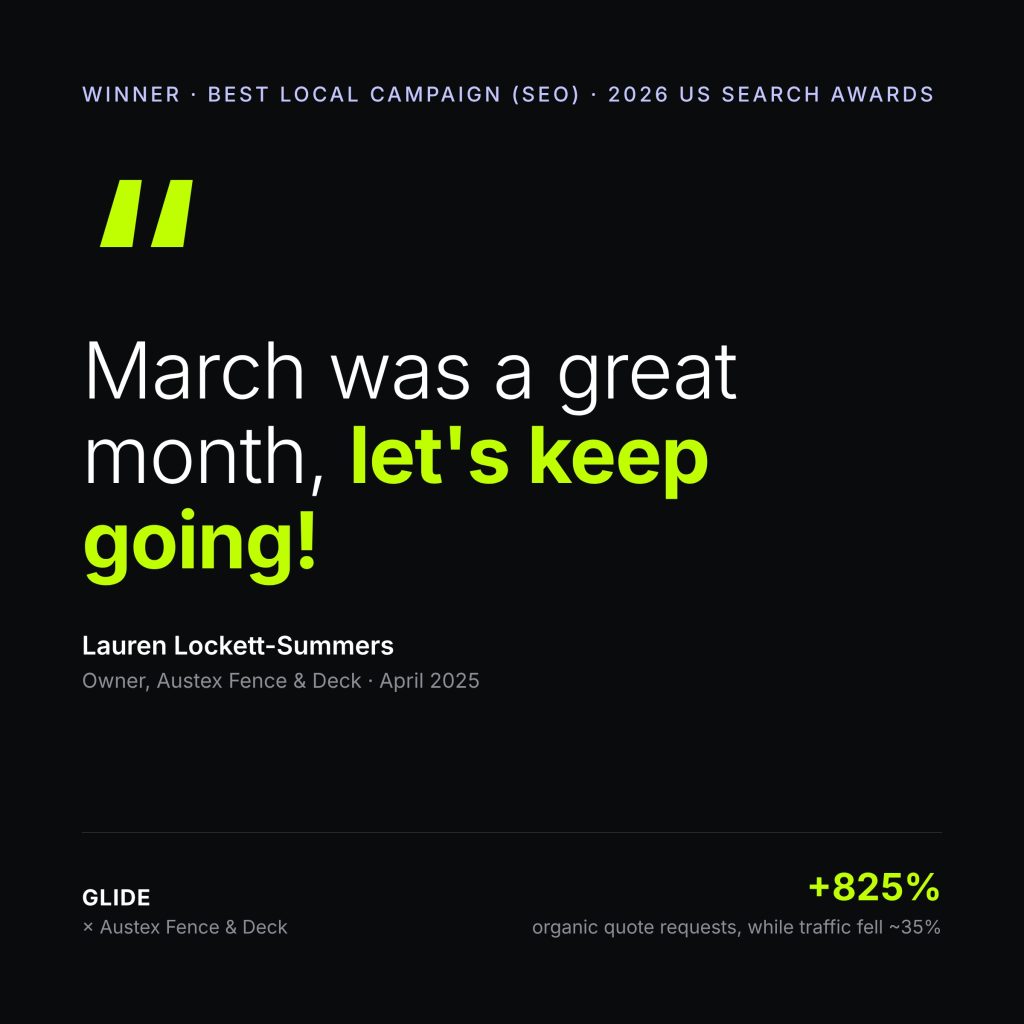
And one more name belongs on the trophy: Lauren Lockett-Summers, Austex’s CMO and owner, who trusted the diagnosis and stayed the course through months when the traffic graph trended down. As early as April 2025, she sent us a note we still talk about: “March was a great month, let’s keep going!”
Why SEO can’t be a silo anymore
SEO isn’t a silo, can’t be a silo, and will never be a silo. This campaign is the clearest proof we’ve had of that.
Rankings got Austex in front of the right people. But the biggest jump in leads came from what happened after the click: a fence estimator that people could actually finish on their phones, a quote button sitting right where a reader was ready for it, and accurate business information everywhere a buyer (or an AI assistant) went looking. None of that lives in one department.
As AI answers absorb more of the casual research, the visitors who do reach your site are worth more than ever. The experience they land on has to be worth that intent. That’s a UX problem, a development problem, a content problem, and an SEO problem, all at once.
What we’d tell other teams
- Stop chasing traffic. Look at what the remaining visitors are doing before you go chase volume.
- Find the moment where buyers have to wait on you (a quote, a price, a callback) and fix that first.
- Measure every change. Each estimator round had its own GA4 events, so we always knew what was working.
- Get buy-in early. Reframing the reports from sessions to leads is what gave the work room to compound.
- Don’t panic about rankings. Watch the queries that bring buyers, not the ones that bring browsers.
About GLIDE
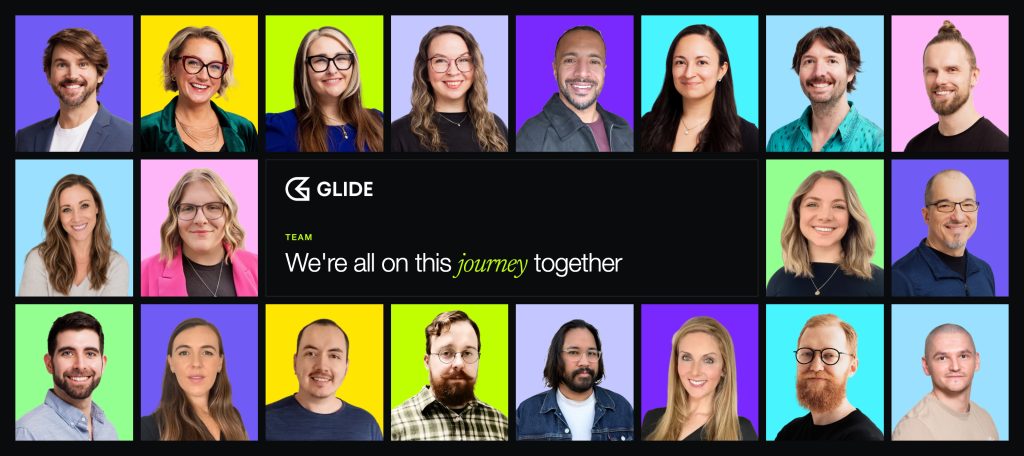
GLIDE is a web design and digital marketing agency that helps people who help others. In 20+ years we’ve completed 850+ projects, and we’re a Certified B Corporation, SOC 2 Type II compliant, and a WP Engine Strategic Tier Partner. Our SEO team is small but mighty: we build a custom strategy for every client instead of running a generic checklist, and we work alongside design, development, and paid search so that SEO is never working alone.
We’re growing, both as a team and as a client roster. If you’d like to work with us as a client, partner, or collaborator, get in touch.
Learn more and connect with GLIDE
- Read the full campaign story: GLIDE Is a 2026 US Search Awards Finalist for Best Local Campaign
- Follow us on LinkedIn, Instagram, Facebook, and X
- See the client: Austex Fence & Deck